


Main Products
Shandong Charing Industry Co.,Ltd , with main products of cellulose ether(HPMC, MHEC, HEC),RDP, PCE, PEO, Repellent powder,Starch ether, and so on.
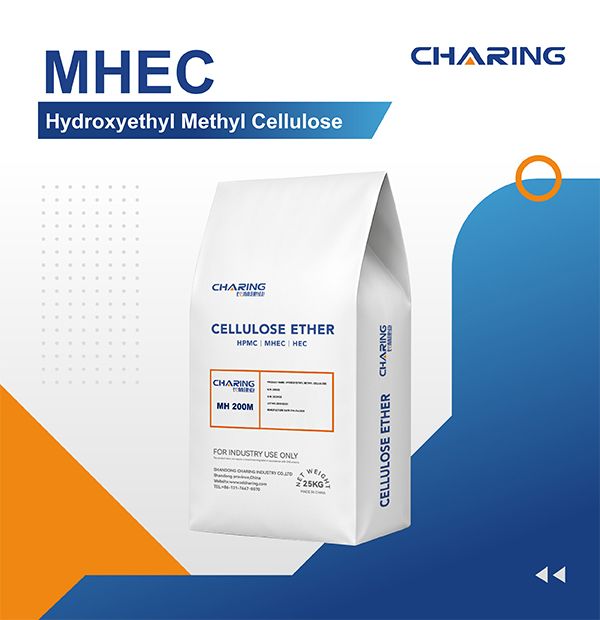
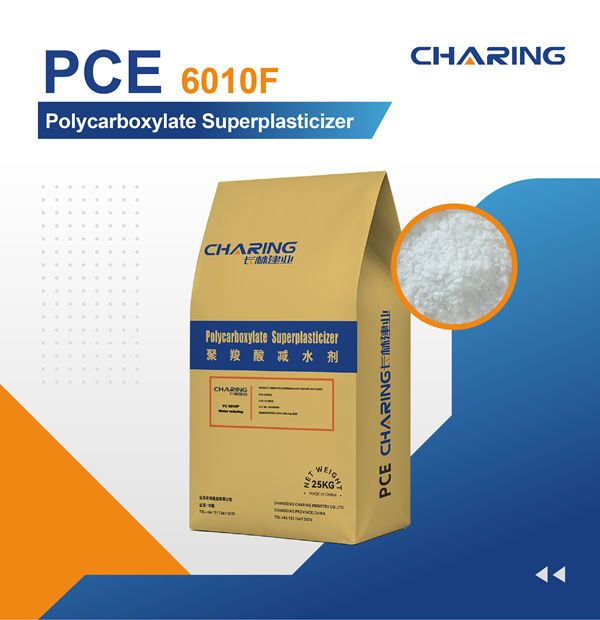
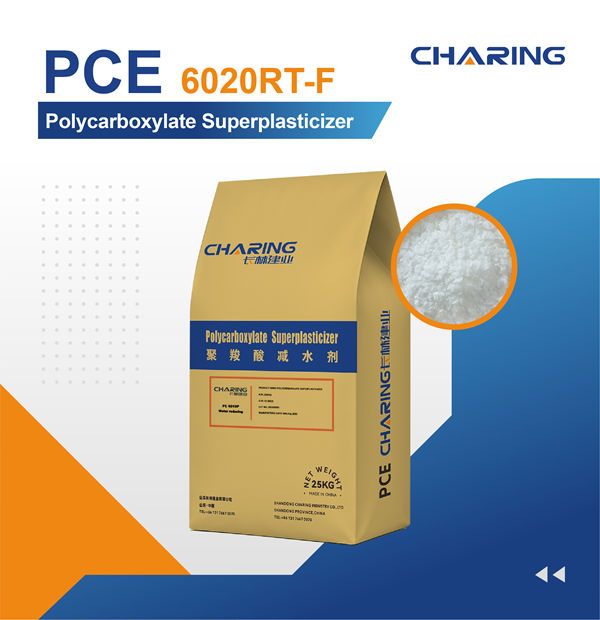
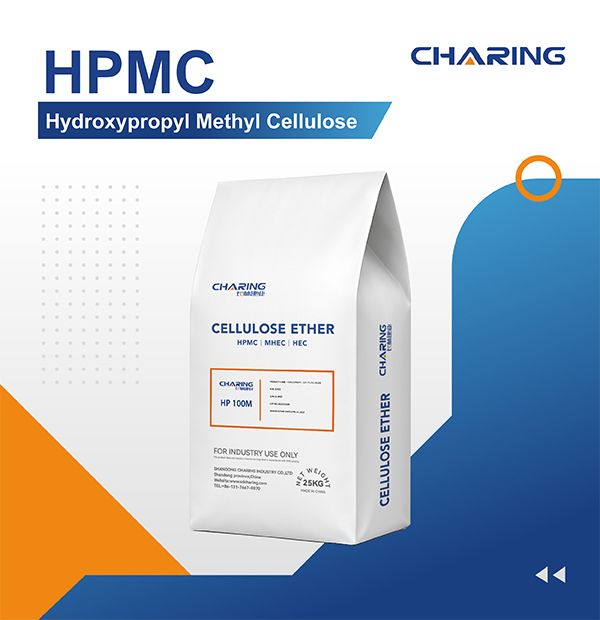
Industry We Serve
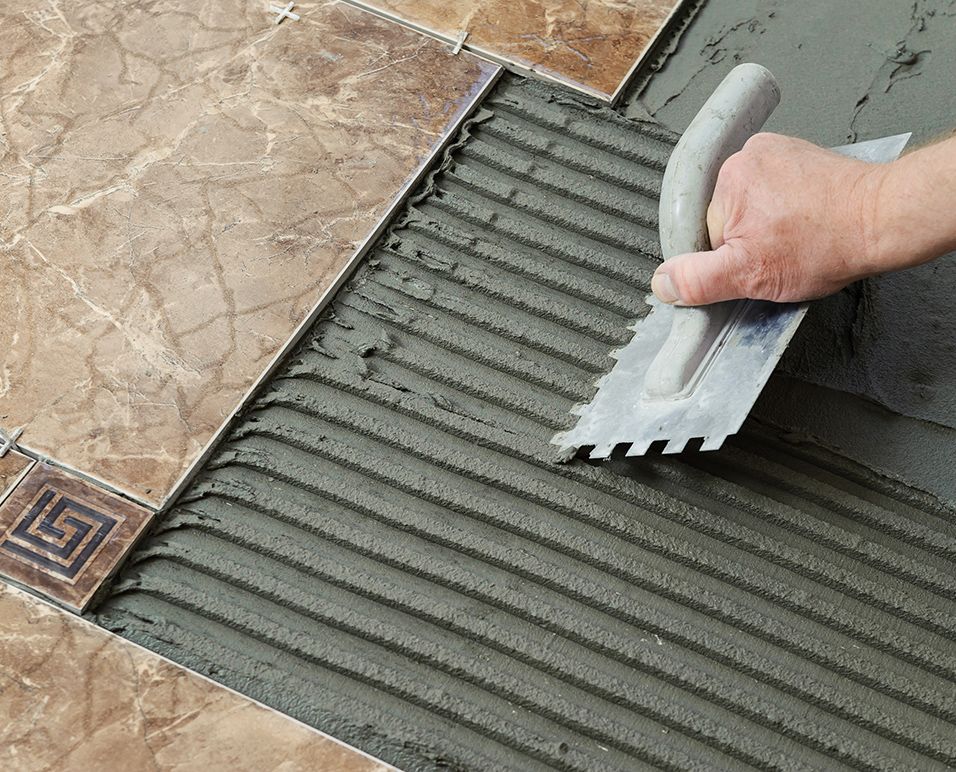
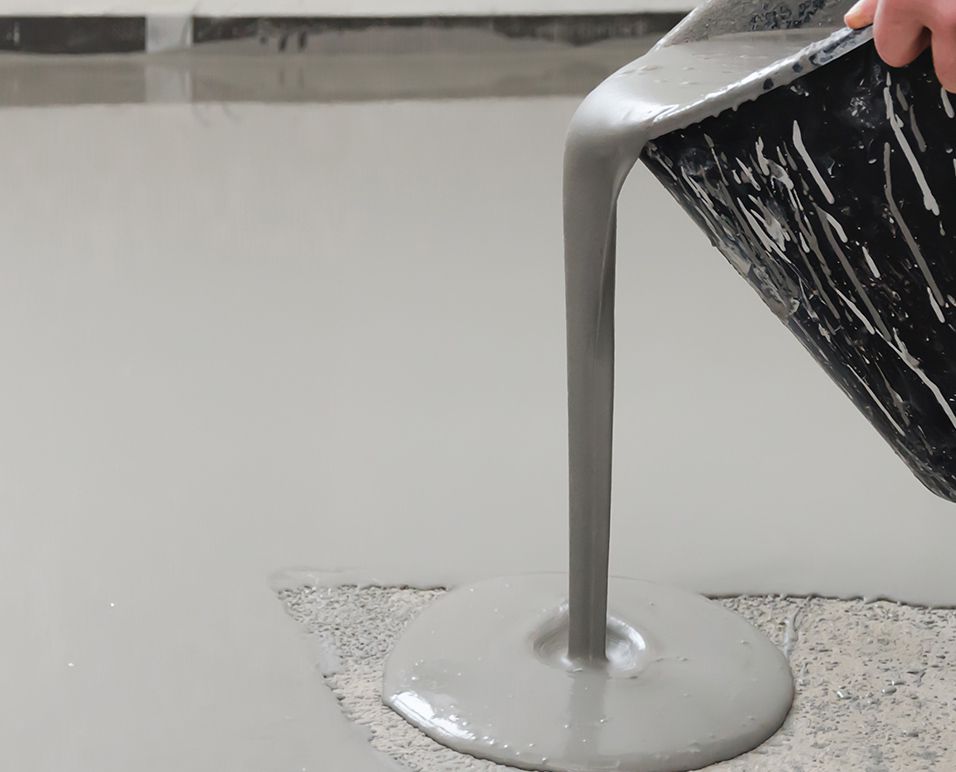
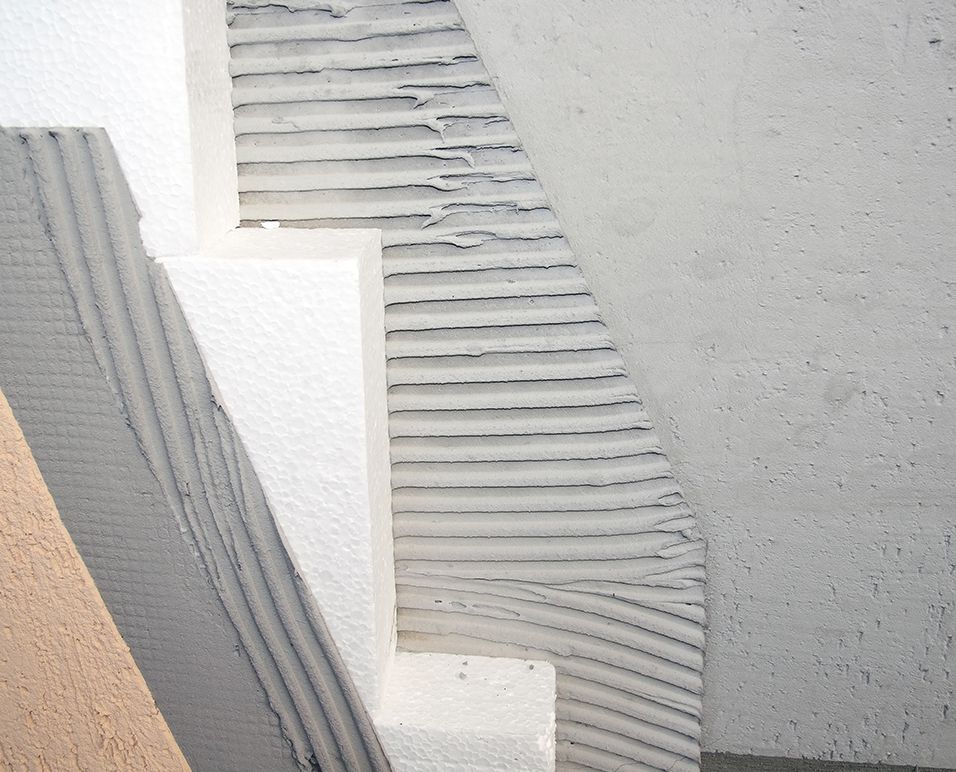
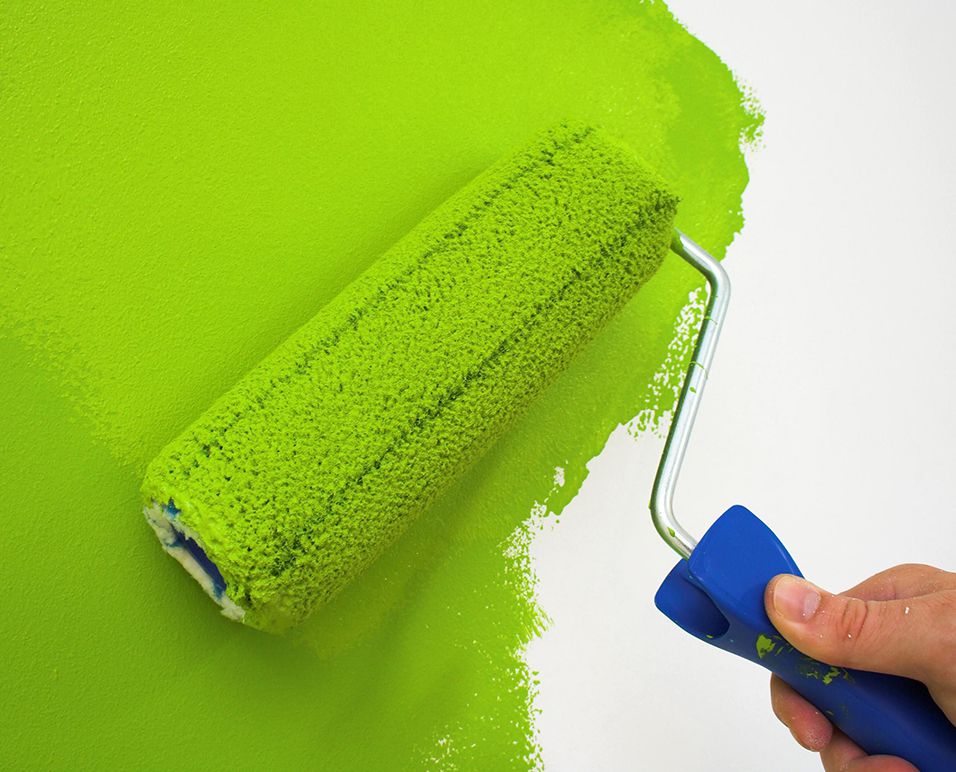
The industry we serve include dry-mixed mortar(such as cement based tile adhesive, wall putty,skim coat, self leveling mortar, grout, waterproofing mortar and so on), Coating and Paint, Detergent and personal care, Oil drilling and so on.

About Us
Shandong Charing Industry Co., Ltd., a construction chemical additives manufacturer in Shandong, China, mainly focuses on cellulose ethers (HPMC/MHEC/HEC), polycarboxylate superplasticizer (PCE) flakes and powders, and redispersible polymer powder (RDP) — manufacturing and supplying construction chemical additives to customers worldwide.
Who We Are
Our Brand
Advantages



Oct. 27, 2026
How to Design High-Strength Concrete (C60 and Above) High-strength concrete is built on one number: a very low water-binder ratio, from 0.28-0.34 at C60 down to 0.24-0.26 at C100. Each 0.02 drop adds roughly 5-10 MPa at 28 days. Only a high-range PCE reaches that ratio while keeping the mix placeable. Use silica fume at 5%-10% for C80 and above.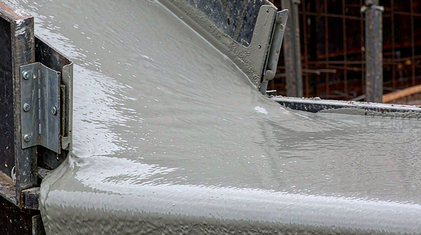
Oct. 23, 2026
What Is Self-Compacting Concrete (SCC)? Mix Design, Tests and Admixtures Self-compacting concrete fills the formwork under its own weight, with no vibration. It runs on a water-binder ratio of 0.30-0.40, paste volume of 38-42% and 400-600 kg/m3 of powder, with PCE at 0.5%-1.2%. Slump flow target is 550-850 mm across classes SF1 to SF3, and L-box H2/H1 at least 0.80. Add a VMA when paste risks segregating.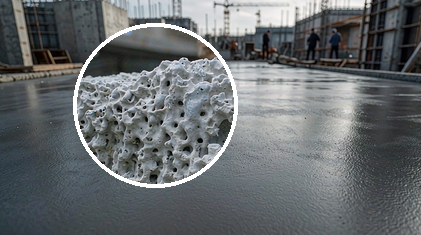
Oct. 22, 2026
Why Does Less Water Make Concrete Stronger? (The Water-Cement Ratio) Only 0.23-0.25 kg of water per kg of cement is needed for hydration; the rest evaporates and leaves capillary pores, so strength falls as the water-cement ratio rises - Abrams' law. Typical w/c: 0.45-0.55 for C25-C30, 0.35-0.45 for C40-C50, 0.30-0.35 or lower for C60+. A PCE cuts mixing water 25%-35% at the same slump.